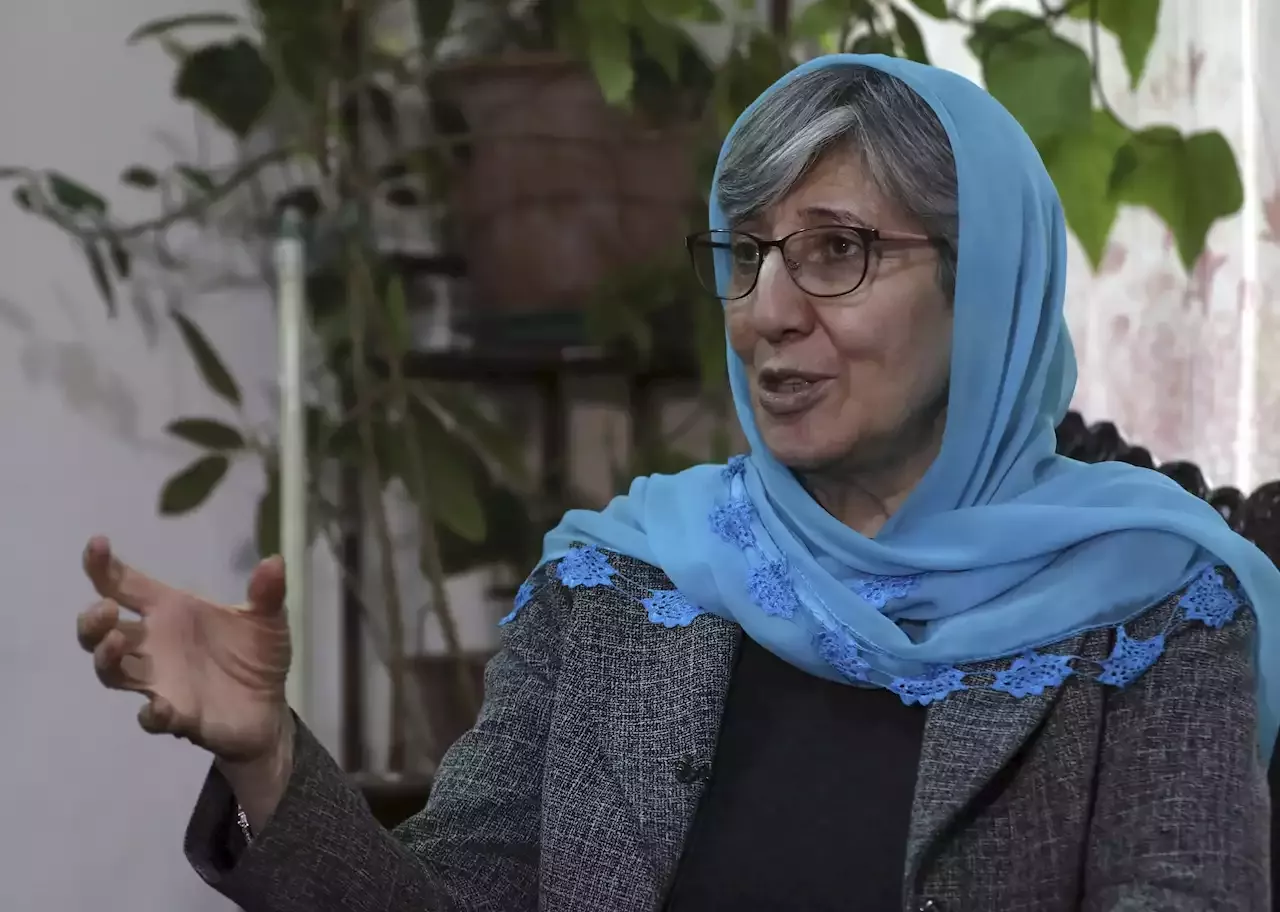
“I think it’s a sad anniversary for the majority of people of my country.” A year after the Taliban takeover of Afghanistan, prominent Afghan rights activist Sima Samar says she is still heartbroken over what happened.
In an interview Friday with The Associated Press, she recalled a Taliban news conference a few days after they took power when they said if people apologized for past actions they would be forgiven.
Samar became an activist as a 23-year-old medical student with an infant son. In 1984, the then-communist government arrested her activist husband, and she never saw him again. She fled to Pakistan with her young son and worked as a doctor for Afghan refugees and started several clinics to care for Afghan women and girls.
In every speech and interview she gave nationally and internationally over the years, she said Afghans had to be united and inclusive, and “we have to have the people’s support. Otherwise, we will lose.” Since their takeover, the Taliban have limited girls’ public education to just six years, restricted women’s work, encouraged them to stay at home, and issued dress codes requiring them to cover their faces.Samar urged international pressure not only to allow all girls to attend secondary school and university, but to ensure all human rights which are interlinked.
United States Latest News, United States Headlines
Similar News:You can also read news stories similar to this one that we have collected from other news sources.
 Segregated Classrooms, Single-Parent Picnics and Overwhelmed Maternity WardsIn this intimate and knowing collection of photographs by Muus of the daily lives of women in Kabul we see the slow and steady regression of a country that has achieved autonomy but little else.
Read more »
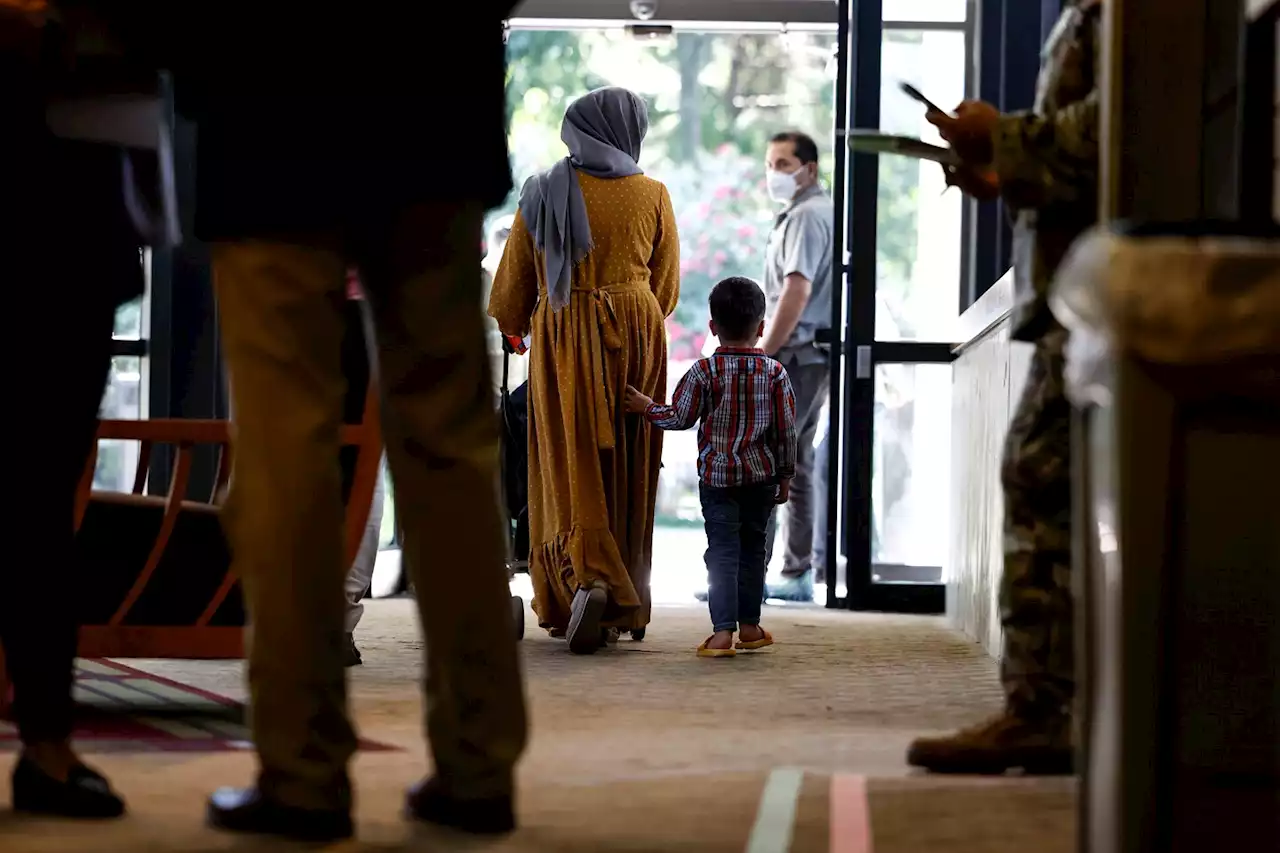 Virginia center is first stop in U.S. for thousands of Afghan refugees“What makes you excited about life in the U.S.A.?' says a sign greeting Afghan evacuees at the National Conference Center in Virginia.
Read more »
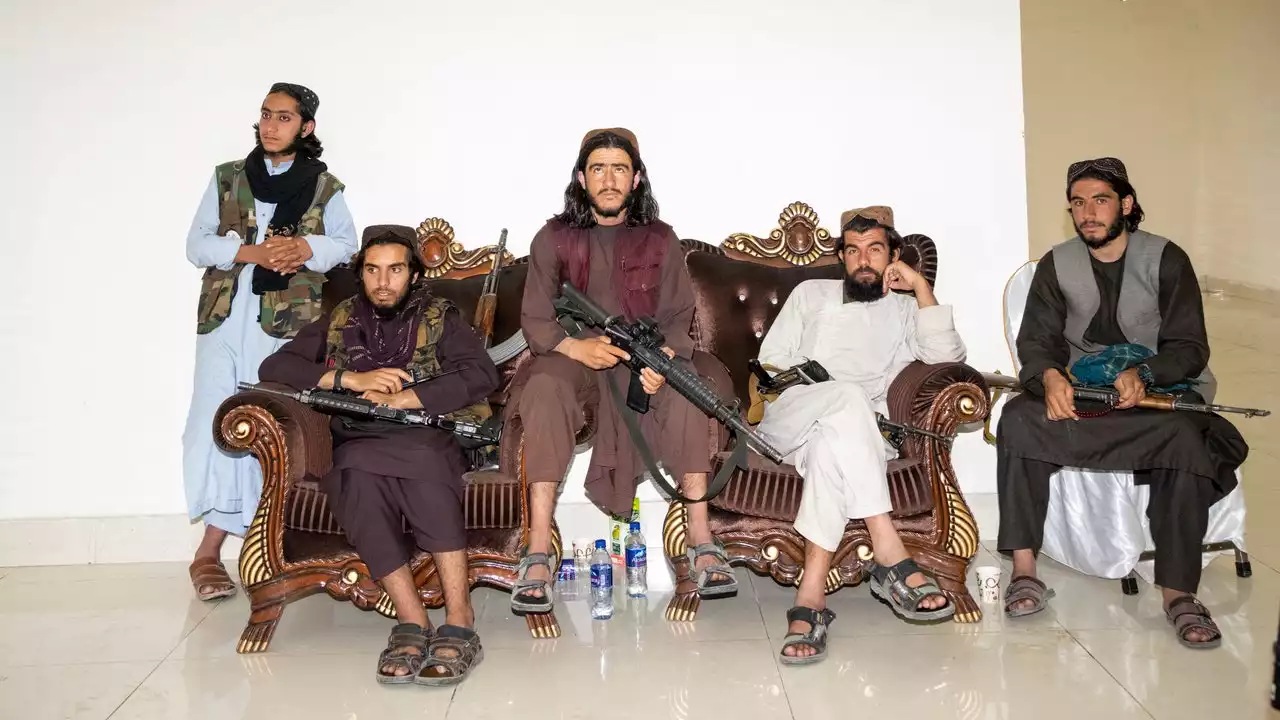 Returning to Afghanistan—One Year After the Fall of KabulI went back to witness life under Taliban rule, chronicling intriguing and, at times, unsettling scenes. (In a forthcoming piece, van Agtmael will explore the plight of Afghan women.)
Read more »
 What the end of the war in Afghanistan means to one mother and her familyA year after U.S. troops pulled out of its longest war, National Geographic revisits an Afghan mother featured on the cover and her family’s experience offers a glimpse of life under Taliban rule.
Read more »