
Has your child ever shocked you with "I'm going to kill you" or "I wish I was dead"? Don't panic or demand they speak nicely. Respond to the emotion they are trying to articulate.
Take a breath, stay calm, and respond to the emotion the child is trying to express.Parents can easily feel overwhelmed when children say things such as, “I wish I was dead,” “I hate my sister,” or “I’m going to kill you.
” These words can easily arouse feelings of terror, rage, worry, and helplessness in us. We often punish children for using these words, demand they stop talking like this, coax them to speak more nicely, or tell them what theyintend to say Or we leap into high gear, insisting with our own overloaded emotions that they tell us exactly what they mean and why they are saying that. These responses can’t reach a child who is in such an overloaded state, and our own emotional flooding is likely to increase the child’s emotional pressure. Then they may dig in and keep repeating the words that had such a dramatic impact. We, in turn, maythat the child has no other way to express. Their mind reaches around their relatively small bank of words and experiences to find a way to convey what’s inside them. They typically land on the most intense expression they can find. Of course, this is not a conscious effort, but rather happens automatically, because the more logical pathways of the brain are “offline” due to the high emotion.This understanding of what’s behind the terrible language can lead us to a more helpful response. It starts with: “That’s a very strong way to say…”"That’s a very strong way to let me know how sad you are.” If you aren’t sure what feeling the child is struggling to express, you can say, “Those are such strong words, they really show me you are feeling a lot right now.”It’s also important that our response has some emotional strength in it—not just a robotic, “I see you are mad,” but a strong reflection of what you see them trying to express: “I REALLY get it how SUPER mad you are! Grrr!” We can follow up by offering to help our children brainstorm some other ways to express those feelings, but we can’t require or force these “better” expressions. The most important thing is how wewhat they are saying, how we understand that the scariness or badness of the words is just a signal of the intensity of the feeling. If the feelings were able to be expressed “nicely,” then the child would have used those nice ways. In this moment, they couldn’t. When children use extreme language, It is also very helpful to look within deeply to see if you have missed or ignored less intense ways that the child expressed themselves. This is often the case. Parents often say that their children don’t listen unless the parents yell. Well, the same is often true for children. They often feel that they can’t get their parents’unless they are very dramatic. No need to beat yourself up about this; just increase your efforts to listen and accept what you hear. Remember that acceptance does not mean agreeing. When a child says terrible things about you or their siblings or their life, then you can listen with respect and care, and reflect back what you heard without correcting them.or homicidal language is a more serious signal of emotional distress, which requires more intervention than “That’s a strong way to say….” How do you know when it’s one of the extreme cases, where there really is a risk of serious harm, not just an attempt to express the inexpressible? Usually when these words are a serious expression of risk, there are other signs of emotional distress as well, such as behavior disturbances or ongoing periods of sadness or Even if you are not sure how seriously to take the words, try using this method first. It only takes a moment, and if it restores the child’s emotional balance and improves the communication between you, then you have your answer that it is not an extreme case of high risk. If treating the words as an attempt to share a powerful emotion doesn’t help, then seek a professional opinion from someone you trust. It is most helpful to find someone who will not rush to extreme interventions just based on those words, but who will do a full and careful evaluation first. At the same time, you will need someone who does not dismiss your concerns or call it a “phase.” I have focused so far on younger children, where such intense words are almost always a developing mind’s fumbling attempts to find the right words to express an emotion. In older children and adolescents this is still the most common reason for such language, and the same method of responding can still be used. Of course, with an older age comes more potential for harm, so there is more need to carefully consider if there is a serious risk.How to Face Your Everyday Triggers At any moment, someone’s aggravating behavior or our own bad luck can set us off on an emotional spiral that threatens to derail our entire day. Here’s how we can face our triggers with less reactivity so that we can get on with our lives.
United States Latest News, United States Headlines
Similar News:You can also read news stories similar to this one that we have collected from other news sources.
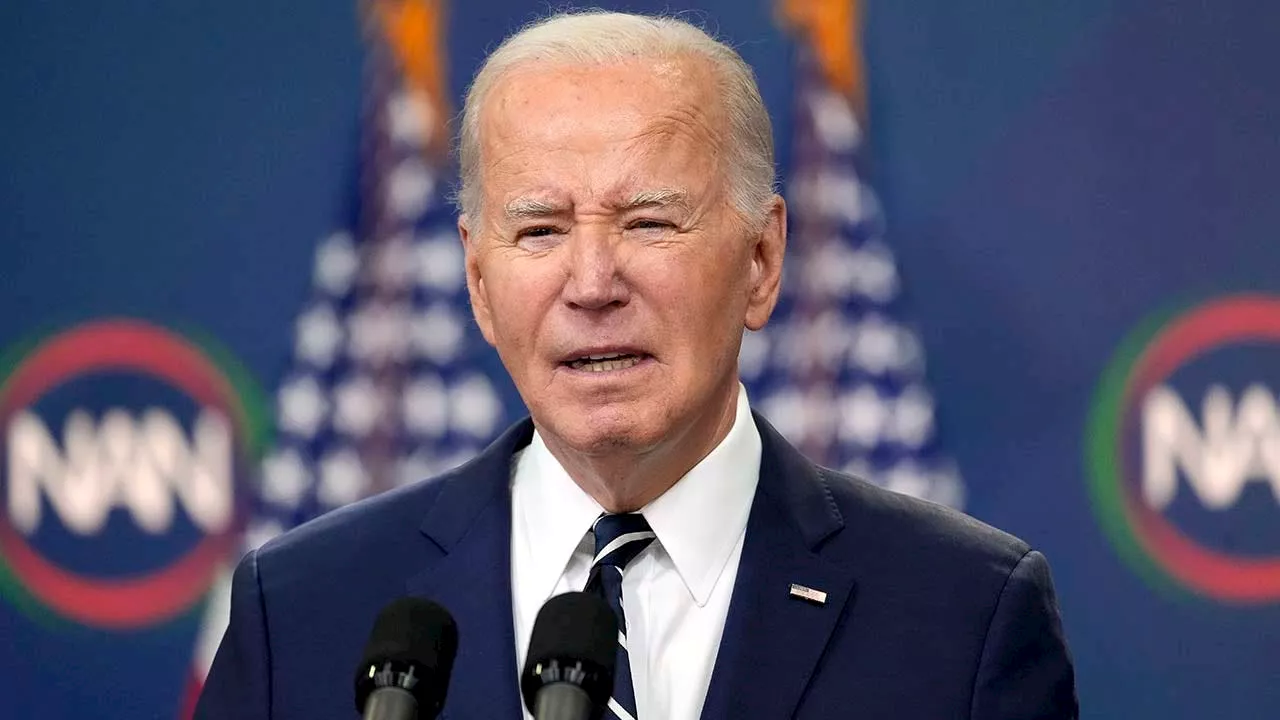 Republicans slam Biden’s ‘Don’t’ deterrence: ‘Every time he says Don’t, they do’Republicans chastised President Biden's 'don't deterrence' following an attempted Iranian strike on Israel Saturday, arguing the president's 'weakness' led to the attack.
Read more »
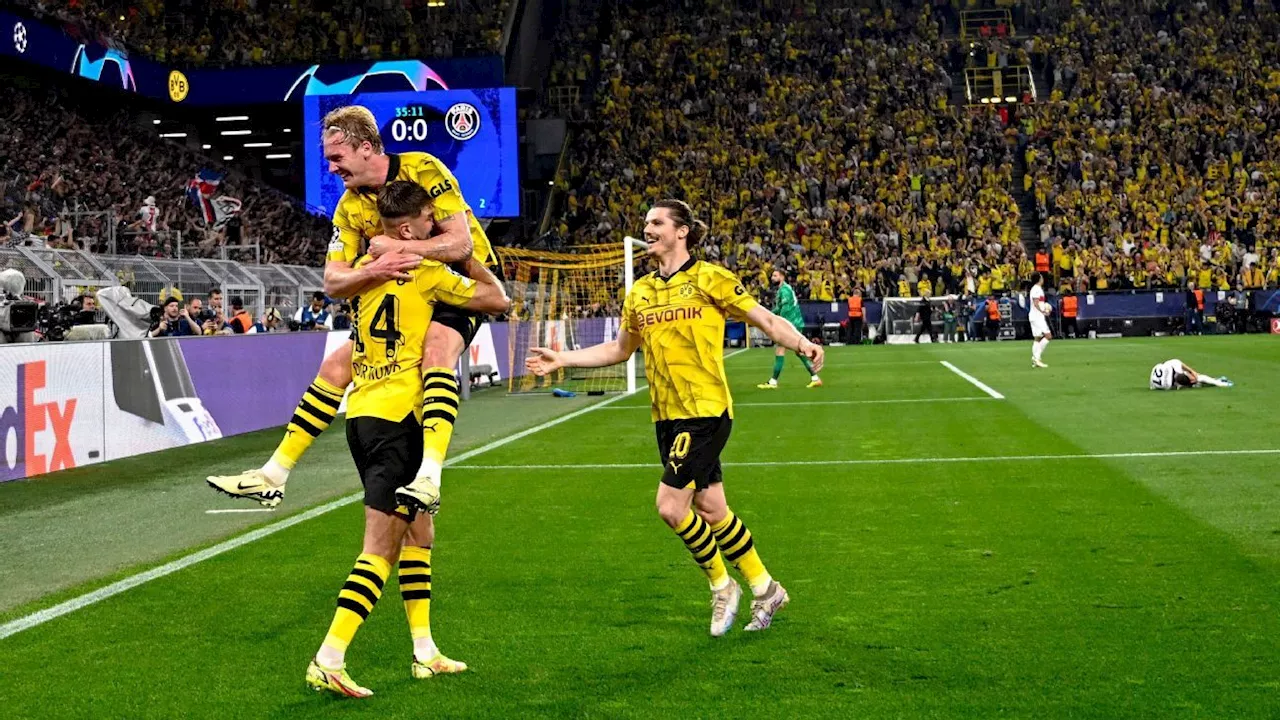 UCL: Dortmund don't have an Mbappe, and they don't need oneNo, Dortmund don't have a Kylian Mbappe like PSG do -- BVB's best stars leave. But collectively, they were better in the Champions League semifinal first leg.
Read more »
 Jewish students grapple with how to respond to pro-Palestinian campus protestsAs pro-Palestinian student protests dominated college campuses across the country in recent weeks, Jewish students had fervent debates over how to respond
Read more »
 Jewish students grapple with how to respond to pro-Palestinian campus protestsAs pro-Palestinian student protests dominated college campuses across the country in recent weeks, Jewish students had fervent debates over how to respond.
Read more »
 Jewish students grapple with how to respond to pro-Palestinian campus protestsAs pro-Palestinian student protests dominated college campuses across the country in recent weeks, Jewish students had fervent debates over how to respond. Like many Americans, Jewish students’ views on the war in Gaza and the broader Israeli-Palestinian conflict are wide-ranging and often nuanced.
Read more »
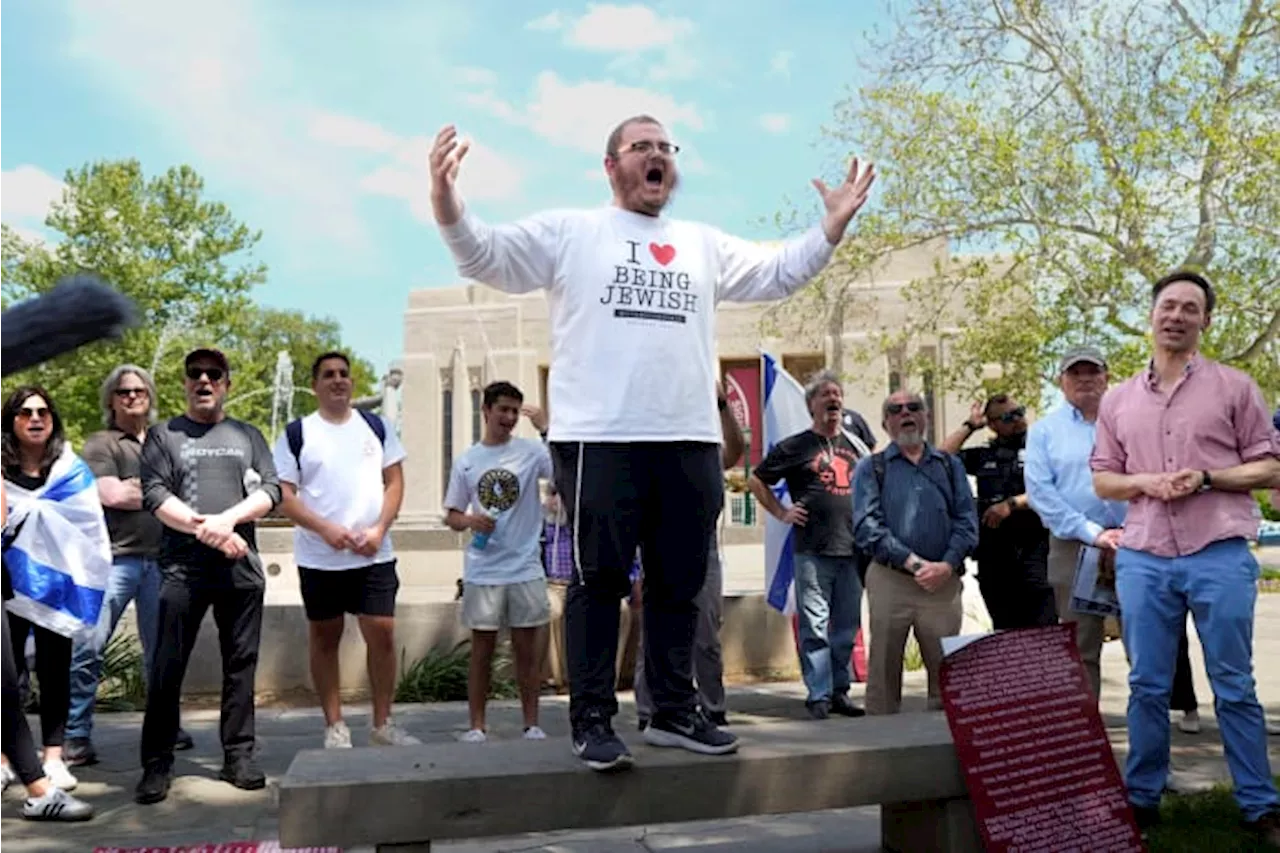 Jewish students grapple with how to respond to pro-Palestinian campus protestsAs pro-Palestinian student protests dominated college campuses across the country in recent weeks, Jewish students had fervent debates over how to respond.
Read more »