The Islamic State group declared its caliphate a decade ago. IS is now defeated but it still carries out deadly attacks around the world. The group that shocked the world with its brutality and once controlled parts of Iraq and Syria now relies mainly on sleeper cells.
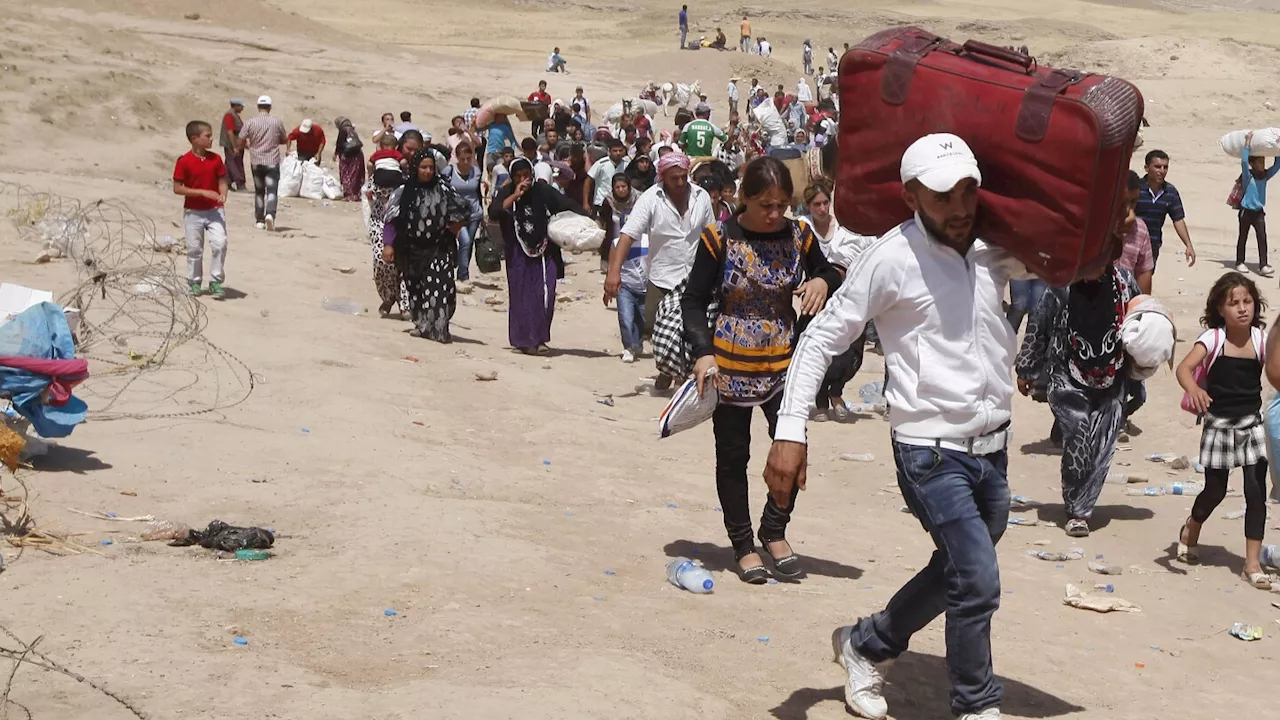
FILE - Syria n refugees cross into Iraq at the Peshkhabour border point in Dahuk, 260 miles northwest of Baghdad, Iraq , Aug. 20, 2013. Ten years after the Islamic State group declared its caliphate in large parts of Iraq and Syria , the extremists now control no land, have lost many prominent founding leaders and are mostly away from the world news headlines.
FILE - Islamic State militants pass a checkpoint bearing the group’s trademark black flag in the village of Maryam Begg in Kirkuk, 290 kilometers north of Baghdad, Iraq, Sept. 29, 2014. Ten years after the Islamic State group declared its caliphate in large parts of Iraq and Syria, the extremists now control no land, have lost many prominent founding leaders and are mostly away from the world news headlines. FILE - Iraq Shiite fighters prepare to fight militants from the extremist Islamic State group in Jurf al-Sakhar, 43 miles south of Baghdad, Iraq, Aug 18, 2014. Ten years after the Islamic State group declared its caliphate in large parts of Iraq and Syria, the extremists now control no land, have lost many prominent founding leaders and are mostly away from the world news headlines. FILE - Iraqi Army soldiers celebrate as they hold a flag of the Islamic State group they captured during a military operation to regain control of a village outside Mosul, Iraq, Nov. 29, 2016. Ten years after the Islamic State group declared its caliphate in large parts of Iraq and Syria, the extremists now control no land, have lost many prominent founding leaders and are mostly away from the world news headlines. FILE - Iraqi Army soldiers secure streets in a village recently liberated from Islamic State militants outside Mosul, Iraq, Dec. 1, 2016. Ten years after the Islamic State group declared its caliphate in large parts of Iraq and Syria, the extremists now control no land, have lost many prominent founding leaders and are mostly away from the world news headlines. FILE - Smoke rises as Iraq’s elite counterterrorism forces fight against Islamic State militants to regain control of al-Bakr neighborhood in Mosul, Iraq, Dec. 12, 2016. Ten years after the Islamic State group declared its caliphate in large parts of Iraq and Syria, the extremists now control no land, have lost many prominent founding leaders and are mostly away from the world news headlines. FILE - Soldiers with Iraq’s elite counterterrorism forces secure houses and streets during fighting against Islamic State militants to regain control of the eastern neighborhoods of Mosul, Iraq, Dec. 13, 2016. Ten years after the Islamic State group declared its caliphate in large parts of Iraq and Syria, the extremists now control no land, have lost many prominent founding leaders and are mostly away from the world news headlines. FILE - A militant with the Islamic State group peers from behind a barricade at a Kurdish peshmerga position near the Mullah Abdullah Bridge, located on the road between Irbil and Kirkuk, 290 kilometers north of Baghdad, Iraq, Sept. 27, 2014. Ten years after the Islamic State group declared its caliphate in large parts of Iraq and Syria, the extremists now control no land, have lost many prominent founding leaders and are mostly away from the world news headlines. FILE - Islamic State militants passing a checkpoint bearing the group’s trademark black flag in the village of Maryam Begg in Kirkuk, 290 kilometers north of Baghdad, Iraq, Sept. 29, 2014. Ten years after the Islamic State group declared its caliphate in large parts of Iraq and Syria, the extremists now control no land, have lost many prominent founding leaders and are mostly away from the world news headlines. FILE - Islamic State militants pass a checkpoint bearing the group’s trademark black flag in the village of Maryam Begg in Kirkuk, 290 kilometers north of Baghdad, Iraq, Sept. 29, 2014. Ten years after the Islamic State group declared its caliphate in large parts of Iraq and Syria, the extremists now control no land, have lost many prominent founding leaders and are mostly away from the world news headlines. FILE - Islamic State militants pass a checkpoint bearing the group’s trademark black flag in the village of Maryam Begg in Kirkuk, 290 kilometers north of Baghdad, Iraq, Sept. 29, 2014. Ten years after the Islamic State group declared its caliphate in large parts of Iraq and Syria, the extremists now control no land, have lost many prominent founding leaders and are mostly away from the world news headlines. FILE - Iraq Shiite fighters prepare to fight militants from the extremist Islamic State group in Jurf al-Sakhar, 43 miles south of Baghdad, Iraq, Aug 18, 2014. Ten years after the Islamic State group declared its caliphate in large parts of Iraq and Syria, the extremists now control no land, have lost many prominent founding leaders and are mostly away from the world news headlines. FILE - Iraq Shiite fighters prepare to fight militants from the extremist Islamic State group in Jurf al-Sakhar, 43 miles south of Baghdad, Iraq, Aug 18, 2014. Ten years after the Islamic State group declared its caliphate in large parts of Iraq and Syria, the extremists now control no land, have lost many prominent founding leaders and are mostly away from the world news headlines. FILE - Iraqi Army soldiers celebrate as they hold a flag of the Islamic State group they captured during a military operation to regain control of a village outside Mosul, Iraq, Nov. 29, 2016. Ten years after the Islamic State group declared its caliphate in large parts of Iraq and Syria, the extremists now control no land, have lost many prominent founding leaders and are mostly away from the world news headlines. FILE - Iraqi Army soldiers celebrate as they hold a flag of the Islamic State group they captured during a military operation to regain control of a village outside Mosul, Iraq, Nov. 29, 2016. Ten years after the Islamic State group declared its caliphate in large parts of Iraq and Syria, the extremists now control no land, have lost many prominent founding leaders and are mostly away from the world news headlines. FILE - Iraqi Army soldiers secure streets in a village recently liberated from Islamic State militants outside Mosul, Iraq, Dec. 1, 2016. Ten years after the Islamic State group declared its caliphate in large parts of Iraq and Syria, the extremists now control no land, have lost many prominent founding leaders and are mostly away from the world news headlines. FILE - Iraqi Army soldiers secure streets in a village recently liberated from Islamic State militants outside Mosul, Iraq, Dec. 1, 2016. Ten years after the Islamic State group declared its caliphate in large parts of Iraq and Syria, the extremists now control no land, have lost many prominent founding leaders and are mostly away from the world news headlines. FILE - Smoke rises as Iraq’s elite counterterrorism forces fight against Islamic State militants to regain control of al-Bakr neighborhood in Mosul, Iraq, Dec. 12, 2016. Ten years after the Islamic State group declared its caliphate in large parts of Iraq and Syria, the extremists now control no land, have lost many prominent founding leaders and are mostly away from the world news headlines. FILE - Smoke rises as Iraq’s elite counterterrorism forces fight against Islamic State militants to regain control of al-Bakr neighborhood in Mosul, Iraq, Dec. 12, 2016. Ten years after the Islamic State group declared its caliphate in large parts of Iraq and Syria, the extremists now control no land, have lost many prominent founding leaders and are mostly away from the world news headlines. FILE - Soldiers with Iraq’s elite counterterrorism forces secure houses and streets during fighting against Islamic State militants to regain control of the eastern neighborhoods of Mosul, Iraq, Dec. 13, 2016. Ten years after the Islamic State group declared its caliphate in large parts of Iraq and Syria, the extremists now control no land, have lost many prominent founding leaders and are mostly away from the world news headlines. FILE - Soldiers with Iraq’s elite counterterrorism forces secure houses and streets during fighting against Islamic State militants to regain control of the eastern neighborhoods of Mosul, Iraq, Dec. 13, 2016. Ten years after the Islamic State group declared its caliphate in large parts of Iraq and Syria, the extremists now control no land, have lost many prominent founding leaders and are mostly away from the world news headlines. FILE - A militant with the Islamic State group peers from behind a barricade at a Kurdish peshmerga position near the Mullah Abdullah Bridge, located on the road between Irbil and Kirkuk, 290 kilometers north of Baghdad, Iraq, Sept. 27, 2014. Ten years after the Islamic State group declared its caliphate in large parts of Iraq and Syria, the extremists now control no land, have lost many prominent founding leaders and are mostly away from the world news headlines. FILE - A militant with the Islamic State group peers from behind a barricade at a Kurdish peshmerga position near the Mullah Abdullah Bridge, located on the road between Irbil and Kirkuk, 290 kilometers north of Baghdad, Iraq, Sept. 27, 2014. Ten years after the Islamic State group declared its caliphate in large parts of Iraq and Syria, the extremists now control no land, have lost many prominent founding leaders and are mostly away from the world news headlines. FILE - Islamic State militants passing a checkpoint bearing the group’s trademark black flag in the village of Maryam Begg in Kirkuk, 290 kilometers north of Baghdad, Iraq, Sept. 29, 2014. Ten years after the Islamic State group declared its caliphate in large parts of Iraq and Syria, the extremists now control no land, have lost many prominent founding leaders and are mostly away from the world news headlines. FILE - Islamic State militants passing a checkpoint bearing the group’s trademark black flag in the village of Maryam Begg in Kirkuk, 290 kilometers north of Baghdad, Iraq, Sept. 29, 2014. Ten years after the Islamic State group declared its caliphate in large parts of Iraq and Syria, the extremists now control no land, have lost many prominent founding leaders and are mostly away from the world news headlines. declared its caliphate in large parts of Iraq and Syria, the extremists no longer control any land, have lost many prominent leaders and are mostly out of the world news headlines.and Iraq still carry out attacks against government forces in both countries as well as U.S.-backed Syrian fighters, at a time when Iraq’s government is negotiating with Washington over a The group that once attracted tens of thousands of fighters and supporters from around the world to come to Syria and Iraq, and at its peak ruled an area half the size of the United Kingdom was notorious for its brutality. It beheaded civilians, slaughtered 1,700“Daesh remains a threat to international security,” U.S. Army Maj. Gen. J.B. Vowell, the commanding general of Combined Joint Task Force —A leading human rights group calls on Iraq to halt deportations of Syrian refugeesWikiLeaks’ Assange pleads guilty to publishing US military secrets in deal that secures his freedom “We maintain our intensity and resolve to combat and destroy any remnants of groups that share Daesh ideology,” Vowel said, referring to IS by its Arabic acronym., then the leader of the Islamic State in Iraq group, which was formed as an offshoot of al-Qaida, distanced himself from the al-Qaida global network and clashed with its branch in Syria, then known as Nusra Front. The group renamed itself the Islamic State in Iraq and the Levant and launched a military campaign during which it captured large parts of Syria and Iraq. In early June 2014, the group captured the northern Iraqi city of Mosul, Iraq’s second largest, as the Iraqi army collapsed. Later that month, the group opened the border between areas it controlled in Syria and Iraq. On June 29, 2014, al-Baghdadi appeared as a black-robed figure to deliver a sermon from the pulpit of Mosul’sin which he declared a caliphate and urged Muslims around the world to swear allegiance to the caliphate and obey him as its leader. Since then, it has identified itself as the Islamic State. “Al-Baghdadi’s sermon — an extension of the extremist ideology of Abu Musab al-Zarqawi — continue to inspire ISIS members globally,” said retired U.S. Army officer Myles B. Caggins III, senior nonresident fellow at the New Lines Institute and former spokesman for the Global Coalition to Defeat ISIS. He was referring to Abu Musab al-Zarqawi, al-Qaida’s leader in Iraq who was killed in a U.S. strike in 2006. From the self-declared caliphate, the group planned deadly attacks around the world and carried out brutal killings, including the beheading of Western journalists,on fire while locked inside a cage days after his fighter jet was shot down and drowning opponents in pools after locking them in giant metal cages. A coalition of more than 80 countries, led by the United States, was formed to fight the group and a decade later continues to carry out raids against its operatives’ hideouts in Syria and Iraq. The war against IS officially ended in March 2019, when U.S.-backed and Kurdish-led fighters of the Syrian Democratic Forces captured the eastern Syrian town of Baghouz, which was the last sliver of land the extremists controlled. Before the loss of Baghouz, IS was defeated in Iraq in July 2017 when Iraqi forces captured the northern city of Mosul. Three months later, IS suffered a major blow when SDF captured the Syrian northern city of Raqqa, which was the group’s de-facto capital. Still, at least in Iraq, government and military officials have asserted that the group is too weak to stage a comeback. “It is not possible for to claim a caliphate once again. They don’t have the command or control capabilities to do so,” Iraqi army Maj. Gen. Tahseen al-Khafaji told the AP at the headquarters of the Joint Special Operations Command in Baghdad, where Iraqi officers and officials from the U.S.-led coalition supervise operations against the extremists. The command, which was formed to lead operations against the group starting weeks after the caliphate was declared, remains active. Al-Khafaji said that IS is now made up of sleeper cells in caves and the desert in remote areas, as Iraqi security forces keep them on the run. During the first five months of the year, he said, Iraqi forces conducted 35 airstrikes against IS and killed 51 of its members. Also at the headquarters, Sabah al-Noman of the Iraqi Counter Terrorism Service said that having lost its hold on Iraq, the militant group is focused mostly on Africa, especially the Sahel region, to try to get a foothold there. “It is not possible for them to take control of a village, let alone an Iraqi city,” he said. He added that the U.S.-led coalition continues to have reconnaissance and surveillance in order to provide Iraqi forces with intelligence, and the security forces “deal with this information directly.” Although IS appears to be under control in Iraq, it has killed dozens of government forces and SDF fighters over the past several months in Syria. “Daesh terrorist cells continue in their terrorist operations,” SDF spokesman Siamand Ali said. “They are present on the ground and are working at levels higher than those of previous years.”, or al-Sinaa — a Kurdish-run facility in Syria’s northeast holding thousands of IS militants. The attack led to 10 days of fighting between SDF fighters and IS militants that left nearly 500 dead on both sides, before the SDF brought the situation under control. Caggins said that the U.S.-led coalition’s “military advice and assistance” to Iraq Security Forces, Kurdish Iraqi fighters and the SDF “is essential to maintain dominance against ISIS remnants as well as securing more than 10,000 ISIS detainees at makeshift jails and camps in Syria.”
Syria Islamic State Group General News Middle East Syria Government Religion United States Government World News War And Unrest Politics Iraq Government Radicalism I Abu Bakr Al-Baghdadi
United States Latest News, United States Headlines
Similar News:You can also read news stories similar to this one that we have collected from other news sources.
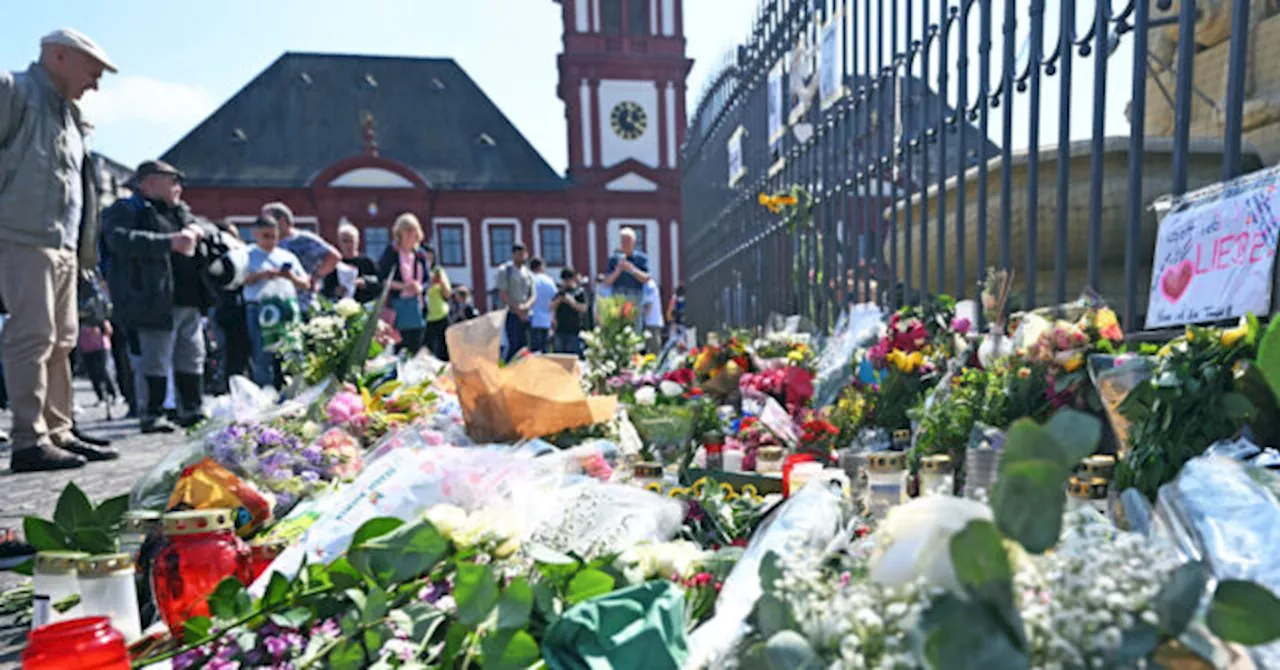 Mass Stabbing Against Anti-Islamic Extremism Rally May Have Been Islamic Extremism, Police SaySource of breaking news and analysis, insightful commentary and original reporting, curated and written specifically for the new generation of independent and conservative thinkers.
Read more »
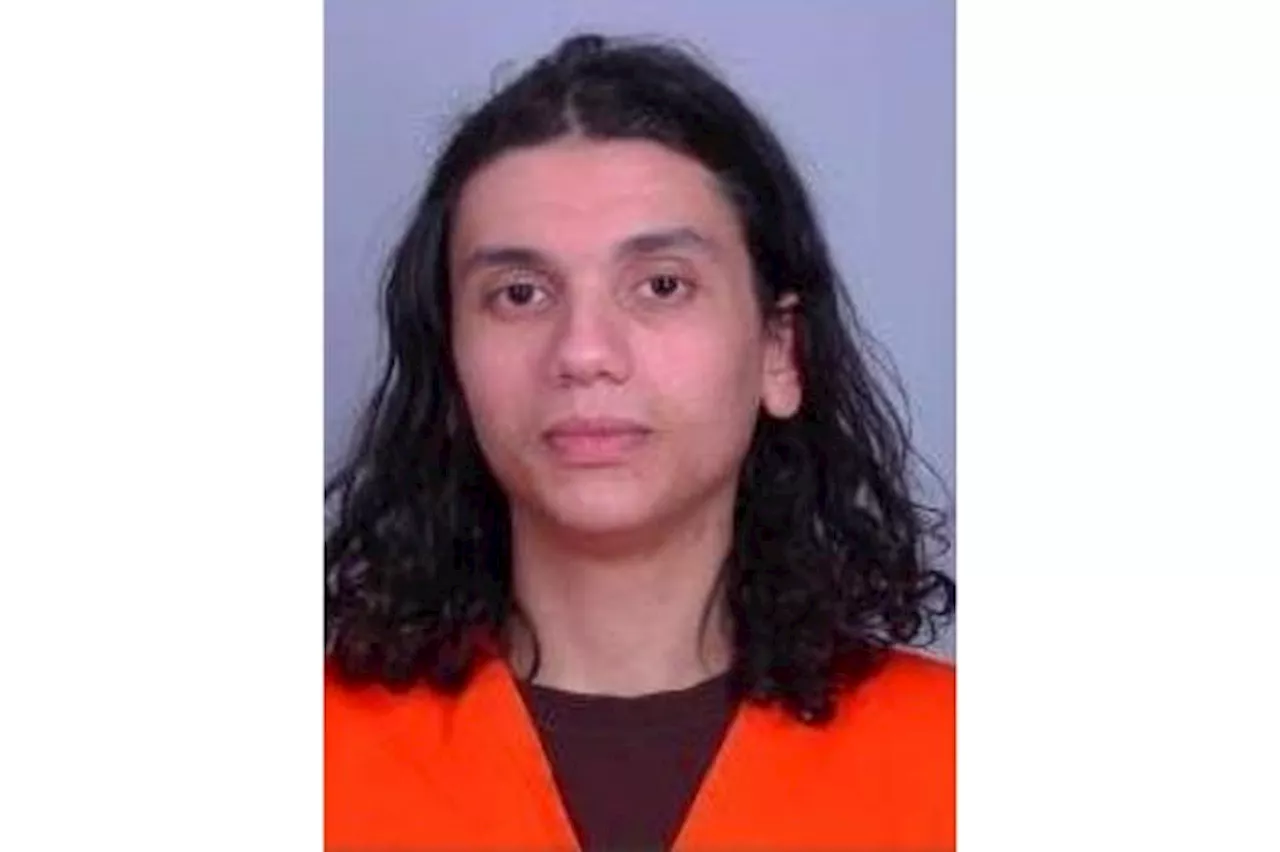 Minnesota man who joined Islamic State group is sentenced to 10 years in prisonA Minnesota man who once fought for the Islamic State group in Syria after becoming radicalized expressed remorse and wept in court as he was sentenced to 10 years in prison.
Read more »
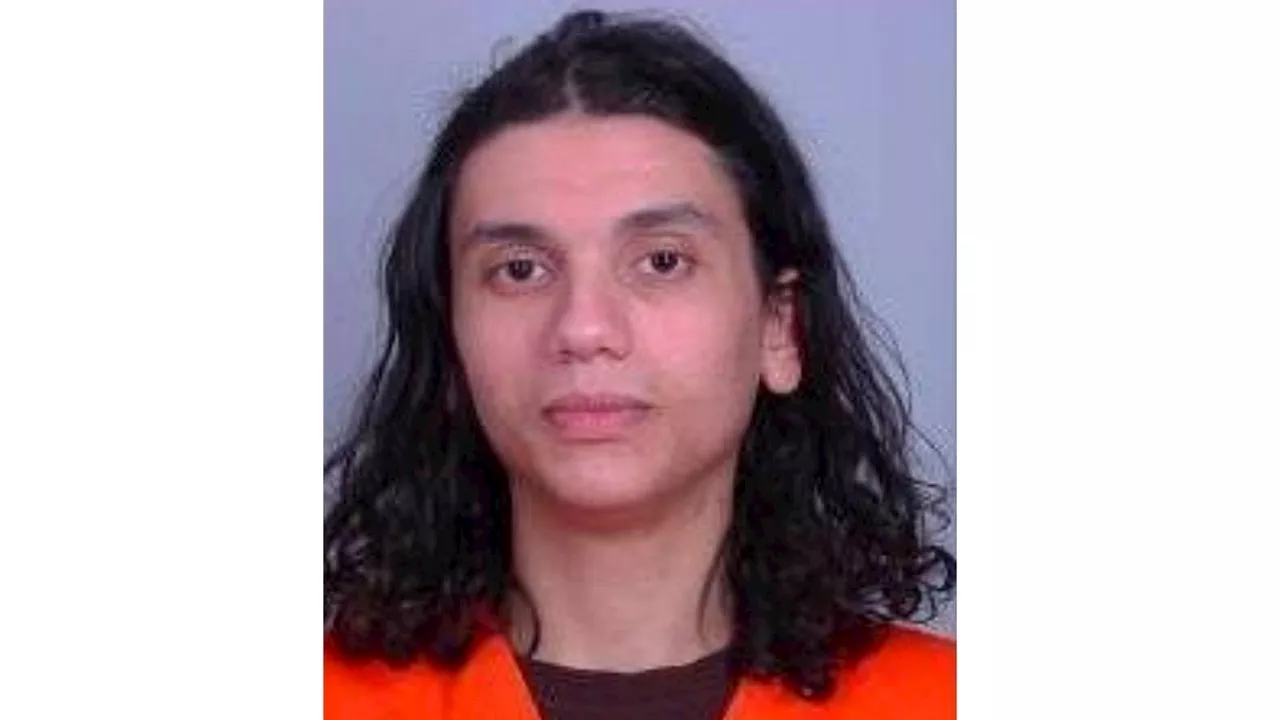 Minnesota man who joined Islamic State group is sentenced to 10 years in prisonAbelhamid Al-Madioum, a 27-year-old Minnesota man who left the U.S. to fight for the Islamic State group in Syria, has been given a 10-year prison sentence.
Read more »
 Minnesota man who fought for Islamic State group is sentenced to 10 years in prisonThe Associated Press
Read more »
 Minnesota man who joined Islamic State group is sentenced to 10 years in prisonA Minnesota man who once fought for the Islamic State group in Syria after becoming radicalized expressed remorse and wept in open court Thursday as he was…
Read more »
 US targeted Islamic State group leader in airstrike last month: ReportAccording to U.S. officials, it is unknown whether Abdulqadir Mumin was one of the three militants belonging to the group who were killed in the strike.
Read more »