
“An eating disorder informed workplace would be careful not to comment on people’s bodies, and not to encourage weight loss through competition or diet talk,” says Rebecca Eyre, eating disorder therapist and the CEO of Project HEAL.
2. Don’t hold weight-loss challenges, and refrain from making values-based comments about food or bodies at work. For example, “I feel so fat today,” “I have to be good and have a salad for lunch today,” or “Did you see how poorly that shirt fit them?” Body image talk, intentional weight loss, and yo-yo dieting are research-backed predictors and exacerbators of eating disorders and negative health outcomes.
As such, an eating disorder informed workplace would be careful not to comment on people’s bodies, and not to encourage weight loss through competition or diet talk.In addition to avoiding moralizing and diet-centered conversation, buffet-style lines can be overwhelming for those in recovery. Instead, make these parties optional or just avoid having them altogether. People with an eating disorder may be likelier to confide in a colleague, rather than their employer, and may benefit from having a mealtime buddy. “If you know someone specific who has confided in you with their struggle, simply being a friendly face during food-centered work events and lending a non-judgmental ear would be helpful as well.” “An eating disorder informed workplace would be careful not to comment on people’s bodies, and not to encourage weight loss through competition or diet talk.” 4. Employers, keep eating disorders in mind as you set insurance coverage and plans and be patient with eating disorder recovery. Even though eating disorders are one of the most fatal mental illnesses, people who don’t fit the outdated mental image of an eating disorder are often overlooked, dismissed as “not serious,” and sometimes even overtly encouraged in their eating disorder by medical providers, employers, and family members alike. Employers have the power to set health insurance coverage and company-wide plans, allowing or not allowing different levels of medical leave, and the obvious ability to hire and fire. Eating disorders also take a long time to heal, so it’s important to have patience and see employees as whole people. For those who have been malnourished for long periods of time, their cognitive functioning may be affected.Eating disorders are often a form of coping internally with a difficulty out of a person’s control. Eating disorders are not just about food or body image. “Eating disorders are intimate by nature; they are often deeply rooted in a desire to be accepted and loved by others, and they impact how we feel about ourselves emotionally and physically,” says Eyre. People are less likely to speak with others about how they may feel unloved or judged based on their appearance, but they also may be less likely to discuss potential underlying trauma or emotional distress that often causes eating disorders. “Body image talk, intentional weight loss, and yo-yo dieting are research-backed predictors and exacerbators of eating disorders and negative health outcomes.”Many of those struggling with these issues are also unaware that healing is possible and may not ask for help. Project HEAL has compiled a number of support groups and other resources; if employers would like to access them, they can reach outIf you or anyone you know is struggling with an eating disorder and you don’t know what to do, find out more about your options at. If you’re an employer looking to support your employees through an eating-disorder-informed lens, please reach out to Project HEAL’s team to schedule an eating disorders awareness training for your teams. Please contact Serena Nangia with any questions or inquiries at serena@theprojectheal.org.
United States Latest News, United States Headlines
Similar News:You can also read news stories similar to this one that we have collected from other news sources.
 7 Practical Ways to Reduce Bias in Your Hiring ProcessResearch shows that the hiring process is impartial and unfair. Unconscious racism, ageism, and sexism play a big role in who gets hired. The good news is there are steps you can take to reduce unconscious biases. Here are some strategies: (1) Simplify. Standardize the process by seeking out software and other analytical tools that bring structure to hiring procedures. (2) Rework job descriptions. Experiment with the wording of your job listings by removing adjectives associated with a particular gender. (3) Give a work sample test. Tests that mimic the kinds of tasks the candidate will be doing in the job are the best indicators of future performance. (4) Standardize interviews. Ask each candidate the same set of defined questions, and use an interview scorecard to grade the answers. (5) Set diversity goals. Leaders should track how well they’re doing against targets. This encourages others in the organization to keep equality top of mind.
Read more »
 The best ways to see sharks up close!See the unique ways these local aquariums are teaching kids and adults about shark conservation!
Read more »
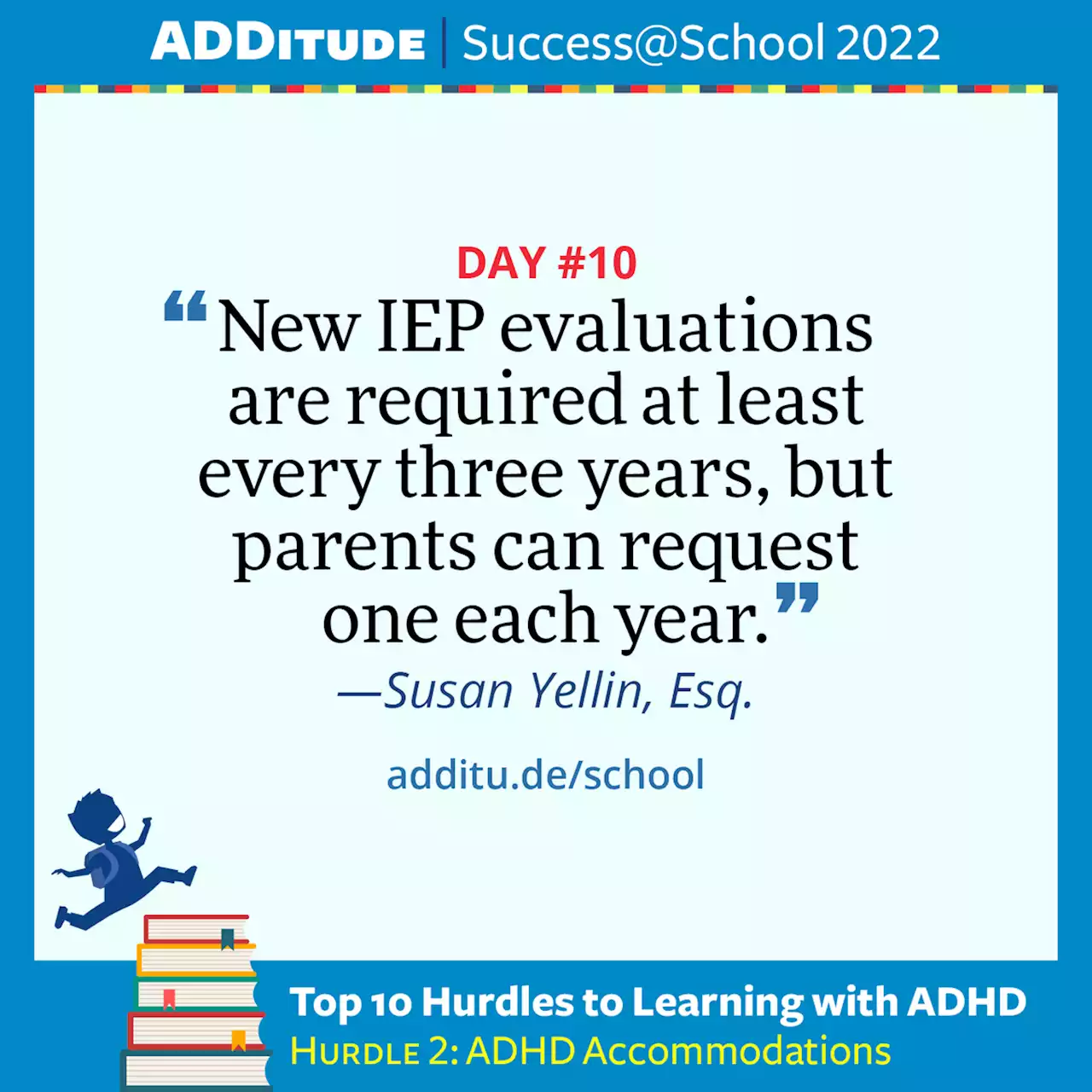 9 Ways IEPs Fall Apart: A Troubleshooting Guide for ADHD AccommodationsWhen ADHD-related challenges interfere with learning, an IEP or 504 Plan can unlock success at school. But when things go wrong \u2014 and you can be sure they will \u2014 a parent\u2019s muscle and know-how are required. Here, an expert tells you what to look for and how to fight for your child\u2019s rights.\r\n\r\n
Read more »
 Starbucks Is Offering New Ways to Customize Popular Beverages — Eat This Not ThatWith the dog days of summer alive and well, Starbucks is helping customers cool off with even more beverage choices.
Read more »
 3 Ways to Kickstart Your CMC-Community Profile | CoinMarketCapWe know we've been pushing you to join our crypto social hub, CMCCommunity 😉 'Okay, but how do I start?' Easy! Here's how to start building your CMCY profile 🔥
Read more »