
This article explores the development of advanced 3D-printed hydrogels for radiation shielding in space. Researchers at Ghent University are investigating the use of these materials to protect astronauts and spacecraft from harmful cosmic radiation.
Earth's atmosphere and magnetic field provide a crucial shield against most cosmic radiation. However, venturing beyond this protective barrier exposes astronauts and spacecraft to a harsh environment characterized by constant bombardment from high-energy radiation. This relentless assault poses significant risks to human health and the delicate functioning of sensitive equipment, necessitating the development of robust radiation shielding solutions.
Researchers at Ghent University in Belgium are pioneering the development of advanced 3D-printed hydrogels as a potential game-changer in radiation protection. Hydrogels, materials renowned for their exceptional ability to absorb and retain vast quantities of water, hold immense promise for this application. Water, due to its density and hydrogen content, effectively slows down radiation, making it an ideal shielding material. However, utilizing free-flowing water for shielding purposes presents several challenges. In spacesuits, bulky water containers restrict astronaut mobility, while uneven water distribution compromises protection. Moreover, leaks, particularly near sensitive electronics, pose a serious danger.Addressing these limitations, researchers are exploring superabsorbent polymers (SAPs) as a safer and more efficient alternative to free-flowing water. SAPs, capable of absorbing many times their weight in liquid, transform into hydrogels upon swelling. This unique property makes hydrogels particularly suitable for radiation shielding in both habitats and spacesuits. The non-free-flowing nature of hydrogels ensures uniform distribution of shielding, preventing leaks even if the shield is punctured. This vital feature would provide astronauts with valuable time to react in case of a suit breach. The versatility of hydrogels extends beyond spacesuits, with potential applications in uncrewed missions as well. They could be incorporated into radiation shields for spacecraft or serve as water reservoirs, especially after optimizing the process of retrieving water from the hydrogel.
RADIATION SHIELDING SPACECRAFT ASTRONAUTS HYDROGELS 3D PRINTING
United States Latest News, United States Headlines
Similar News:You can also read news stories similar to this one that we have collected from other news sources.
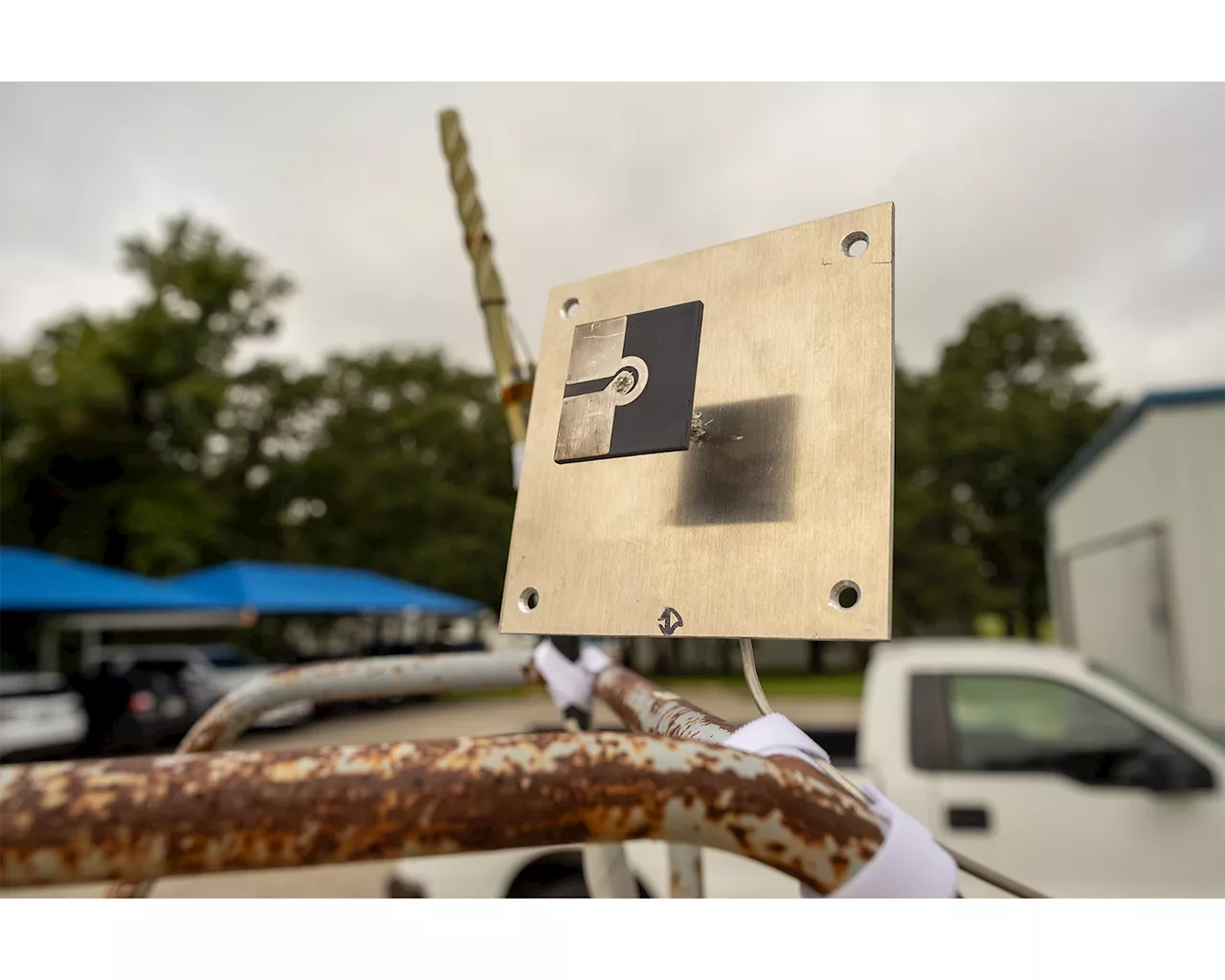 NASA's 3D-Printed Antenna Soars to New Heights in Space CommunicationsNASA demonstrates the potential of 3D printing for creating high-performance communication antennas for scientific missions.
Read more »
 Jersey City Loses Its Printed News as Two Longstanding Newspapers ShutterThe Star-Ledger and The Jersey Journal are ceasing print operations, leaving Jersey City without a physical newspaper and raising concerns about the future of local news.
Read more »
 Huntsville Company Prepares 3-D Printed Kamikaze Drone for Army ProgramCummings Aerospace recently conducted successful test flights of its Hellhound turbojet-powered drone, exceeding 350 mph and validating seeker integration. The company plans to offer its modular, 3-D printed drone to the U.S. Army's LASSO program, which aims to bolster infantry combat teams. Hellhound's jet-powered design offers faster response times compared to traditional drones, enabling quicker intelligence gathering and strikes against enemy targets.
Read more »
 DEA Officer Who 3D-Printed Cocaine Gets 17 Years in PrisonThe former Fed stole evidence and replaced it with a brick he made with a computer.
Read more »
 Dallas Park Shows Promising Link Between Green Space and Community SafetyA new study highlights the positive impact of South Oak Cliff Renaissance Park in Dallas, Texas, demonstrating a potential correlation between green spaces and reduced crime rates. The park, which transformed a previously abandoned lot, has seen a remarkable 58% decrease in 911 calls for service in the surrounding area.
Read more »
 A Reusable Catalyst Offers a Promising Solution for Epoxy RecyclingResearchers have developed a novel solid catalyst that efficiently breaks down epoxy compounds into valuable raw materials, offering a sustainable and cost-effective alternative to traditional disposal methods.
Read more »