
This article analyzes the geopolitical developments in Syria following the fall of the Assad regime, focusing on the role of various regional actors such as Saudi Arabia, Israel, Turkey and Qatar.
Nader Entesar, in an interview with the اعتماد newspaper, stated that he believes Saudi Arabia will eventually normalize relations with Israel , but there is no doubt that Saudi Arabia is seeking concessions in return for this normalization and will not easily agree to it.
The fall of Bashar al-Assad's government in Syria is a turning point in recent regional developments, as this development not only ended the structure that was always involved in ideological conflicts with its neighbors, but also, according to some observers, this event will coincide with a wave of deep changes in the regional and international balance of power. In this new situation, various players with diverse interests and goals have come to the scene, and each is seeking to exert influence and shape the future of post-Assad Syria. In this regard, the Arab Gulf states, particularly Saudi Arabia and the United Arab Emirates, and Qatar, despite some ideological differences, are more actively seeking to play a role in the future developments of Syria. At the same time, these actors are well aware that any change in Syria could have a significant impact on the balance of power in the region. On the other hand, Israel, as a key player in this crisis, has always been concerned about the security threats posed by the resurgence of conflict in Syria. According to some Middle East analysts, with the fall of the Assad government, Israel is likely to seek to create a more secure environment for itself to ease concerns about the groups stationed in this country and simultaneously to prevent Iran's influence in Syria. Following this claim, Tel Aviv targeted all military infrastructure in Syria in the initial hours of Damascus's fall. It seems that these actions not only demonstrate Israel's security concerns but also show this player's strategy for maintaining military superiority in the region. Turkey, as another major player in the Syrian crisis, is seeking to maintain its influence in this country and prevent the formation of an independent Kurdish state on its borders. Ankara, by supporting opposition groups and creating safe zones in northern Syria, aims to ensure the security of its borders and control over the developments in Syria.
SYRIA ASSAD REGIME REGIONAL PLAYERS ISRAEL TURKEY SAUDI ARABIA QATAR IRAN
United States Latest News, United States Headlines
Similar News:You can also read news stories similar to this one that we have collected from other news sources.
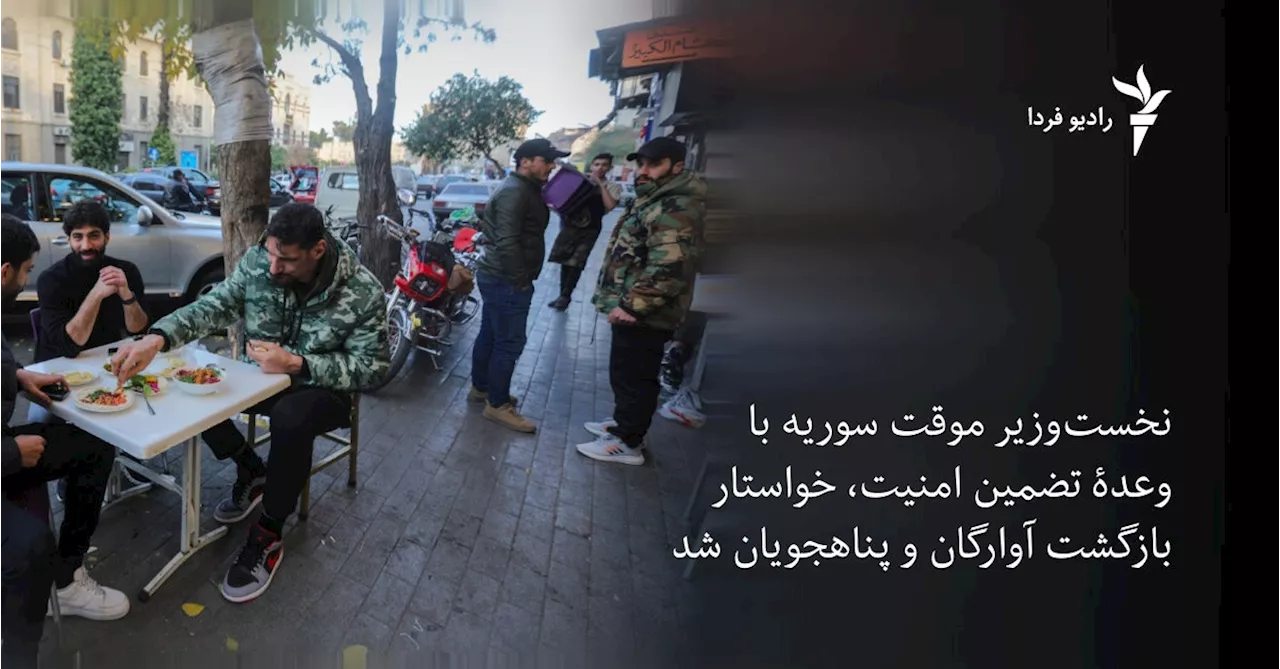 نخستوزیر موقت سوریه با وعدۀ تضمین امنیت، خواستار بازگشت آوارگان و پناهجویان شدکمتر از یک هفته پس از سقوط ناگهانی حکومت بشار اسد، تحولات و واکنشهای داخلی و خارجی پیرامون سوریه با شتاب ادامه دارد
Read more »
 دبیرکل حزبالله: مسیر تأمین منابع نظامی از سوریه را از دست دادهایمروسیه پس از سقوط بشار اسد و تصرف دمشق توسط هیئت تحریر شام و متحدانش، روند خروج نیروها و تجهیزات نظامی خود از سوریه را آغاز کرده است.
Read more »
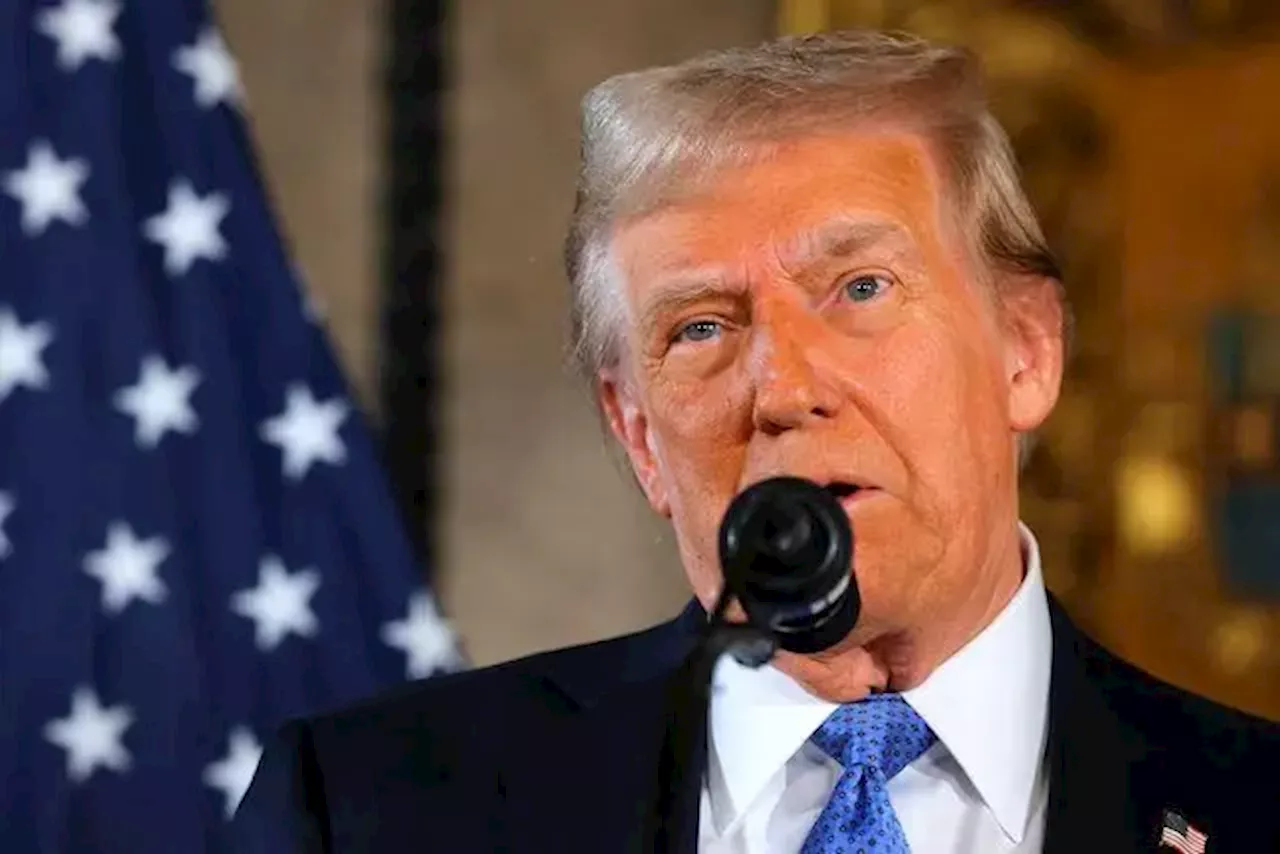 ترامپ: اردوغان پشت تحولات نهچندان دوستانه در سوریه استرئیسجمهور منتخب آمریکا با اشاره به تحولات سوریه و سقوط دولت «بشار اسد» گفت: «رجب طیب اردوغان، رئیس جمهور ترکیه پشت تحولات اخیر و تسلط نه چندان دوستانه در سوریه است.
Read more »
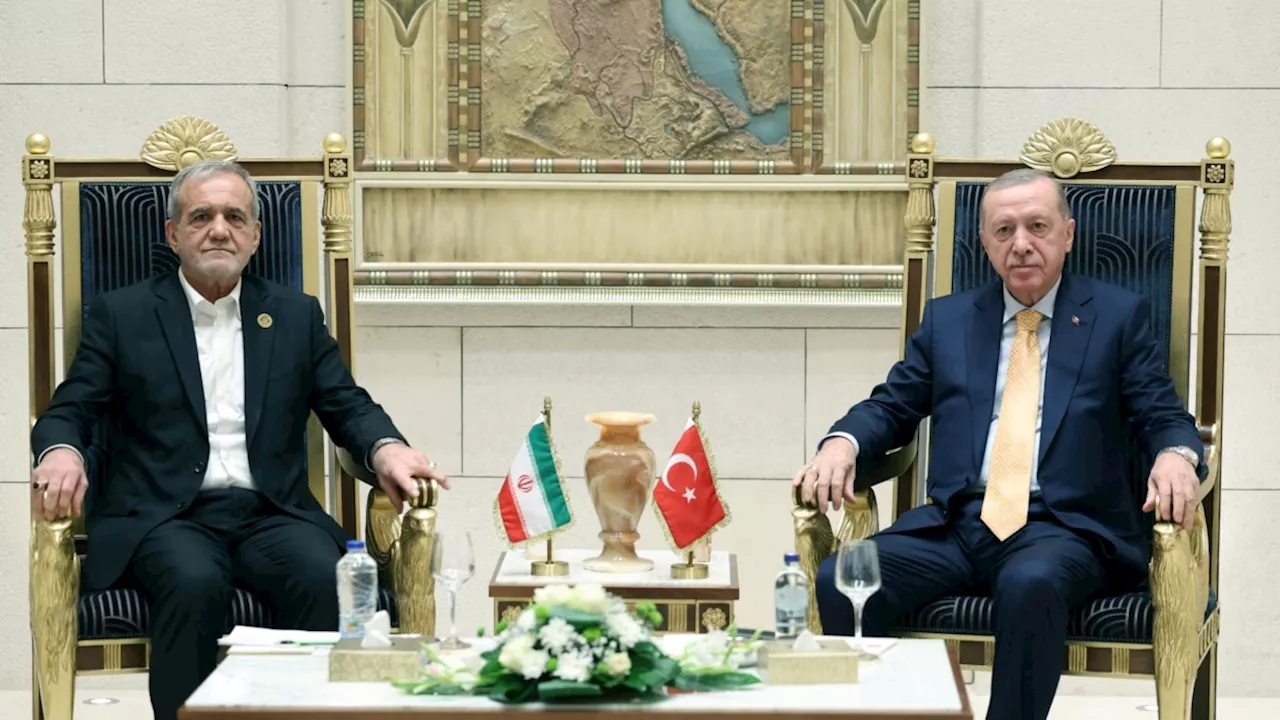 نخستین دیدار روسای جمهور ایران و ترکیه پس از سقوط بشار اسدروسای جمهور ایران و ترکیه در حاشیه اجلاسی در قاهره برای نخستین بار پس از سقوط بشار اسد با یکدیگر گفتوگو و از جمله بر وحدت و تمامیت ارضی سوریه تاکید کردند.
Read more »
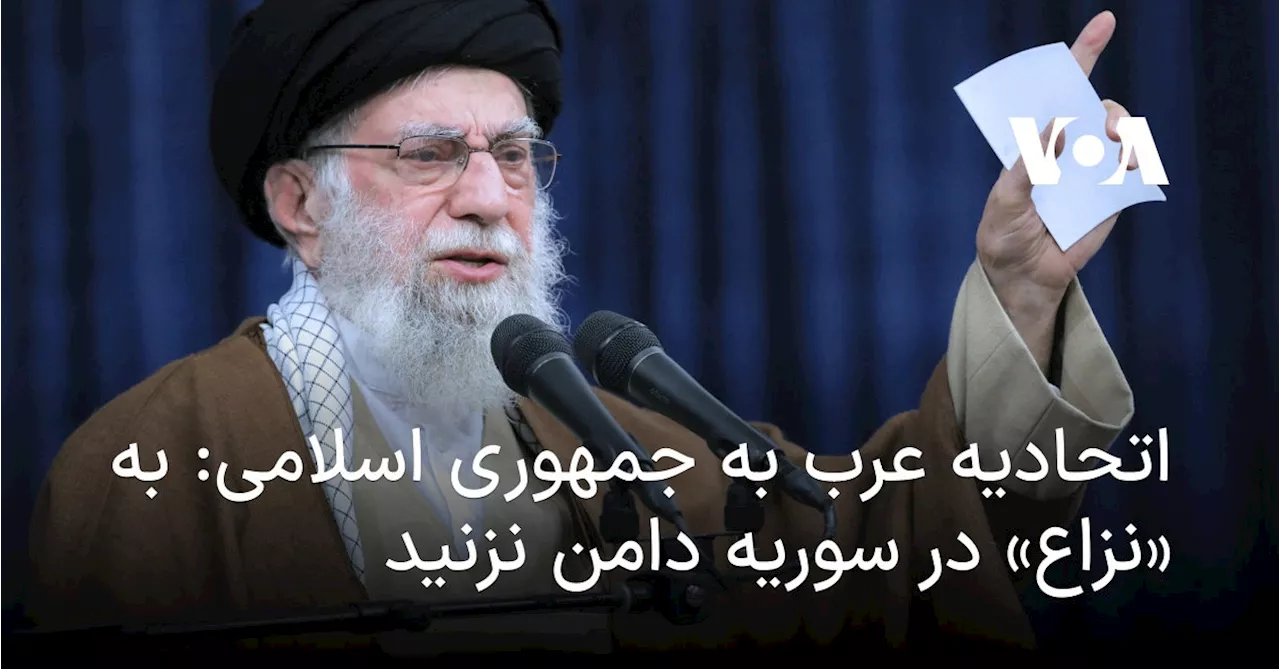 اتحادیه عرب به جمهوری اسلامی: به «نزاع» در سوریه دامن نزنیدگفتگوی وزیران دفاع آمریکا و ترکیه در مورد تحولات سوریه پس از سرنگونی بشار اسد
Read more »
 سوریه پس از سقوط اسد: نگرانی از قدرت اقلیت ها و گروه های مسلححسن هانیزاده کارشناس مسائل منطقه در گفتگو با مشرق به تحولات سوریه پس از سقوط بشار اسد پرداخت و نقش اقلیتهای مذهبی و قومیتی را در این تحولات پررنگ دانست.
Read more »